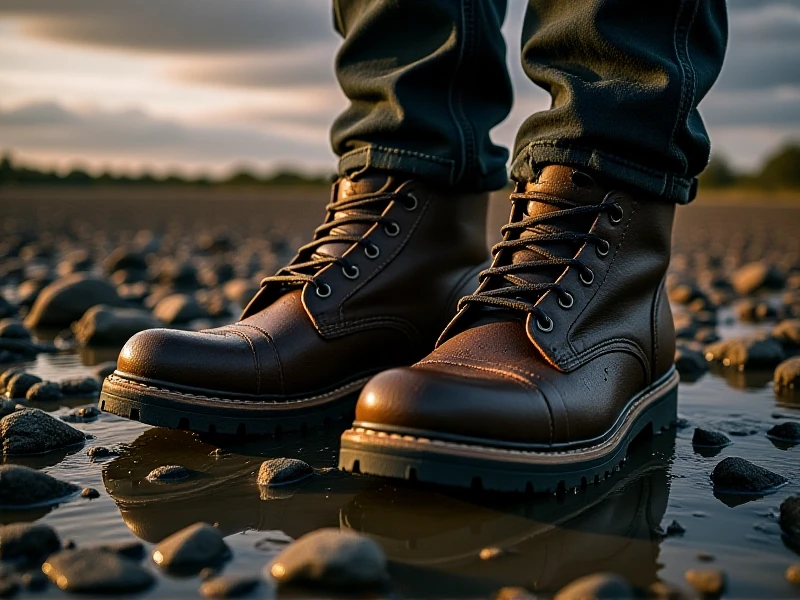
Sturdy & Safe: Your Essential Guide to Quality Work Boots
Here is an SEO-optimized article on "Work Boots," crafted for natural language and search engine visibility:
Safety and durability are non-negotiable on the job site. That's why choosing the right pair of work boots isn't just about comfort; it's fundamental protection for your most valuable assets – your feet. Whether navigating construction debris, braving slippery warehouse floors, facing electrical hazards, or enduring long shifts standing, dependable work boots form the cornerstone of personal protective equipment (PPE).
Modern work boot technology has progressed far beyond just a tough exterior. Understanding the essential features ensures you select footwear tailored precisely to your work environment:
-
Safety Toes (Protective Toe Caps): This is often the critical feature. Look for ASTM/ANSI compliance:
- Steel Toe: Classic, robust protection against impact and compression hazards.
- Composite Toe: A lighter alternative to steel, non-conductive, and doesn't set off metal detectors. Excellent protection against impact in most scenarios.
- Aluminum Toe: Similar weight to composite but provides strong impact resistance.
-
Outsole & Traction: The sole is your connection to the ground. Look for slip, oil, and chemical-resistant rubber compounds like Vibram. Deep, rugged lugs provide superior grip on uneven or muddy terrain. Choose soles rated for specific hazards (e.g., Electrical Hazard (EH), Static Dissipating (SD), or Conductive (CD)).
-
Ankle Support & Stability: High-top boots offer crucial ankle support, reducing the risk of twists and sprains on uneven surfaces. Some feature built-in stabilizers or TPU heel counters for enhanced stability.
-
Comfort & Protection: Long hours demand comfort.
- Cushioning & Support: Look for contoured insoles (ideally removable), padded collars, and tongue designs that lock out debris and distribute pressure.
- Waterproof & Breathable Membranes: Technologies like Gore-Tex or Thinsulate™ keep feet dry from external moisture while allowing sweat vapor to escape, combating moisture buildup that causes blisters.
- Metatarsal Guards: For high-impact risk areas, removable or built-in guards shield the vulnerable metatarsal bones on the top of the foot.
-
Material & Durability: Full-grain leather offers superior abrasion resistance and long-lasting toughness. Abrasion-resistant synthetic fabrics and reinforced stitching at high-wear points significantly extend boot life. Look for Goodyear welt or cement construction for enhanced repairability.
Matching Your Work Boots to Your Job:
- Construction/Heavy Labor: Prioritize steel or composite toe, EH-rated sole, metatarsal guard capability, deep traction, waterproofing, and maximum ankle support. Premium leather durability is key.
- Warehouse/Logistics: Focus on composite toe for lighter weight during constant walking, slip-resistant soles, cushioning for long-standing hours, breathability, and possibly SD/ESD properties.
- Electrical Work: EH-rated work boots are crucial. Non-metallic safety toes (composite) meet this requirement intrinsically. Ensure soles are non-marking if required.
- Landscaping/Groundskeeping: Waterproofing is essential. Slip-resistant soles with aggressive lugs handle mud and wet grass. Durability against abrasion is necessary.
Investment in Value
Don't compromise on work boots. A quality pair is an investment in personal safety and long-term foot health. Proper care – regular cleaning, conditioning for leather, and thorough drying – will maximize their lifespan and performance. Consider replaceable insoles for refreshable arch support over time.
Your job demands tough performance; your feet demand tough protection. Choose work boots engineered to meet both needs effectively. Assess your specific risks, understand the features, and invest in boots that give you confidence step after step, day after day. Explore our range designed for both safety and comfort.